Best Walking Routes in Průhonice Castle Gardens
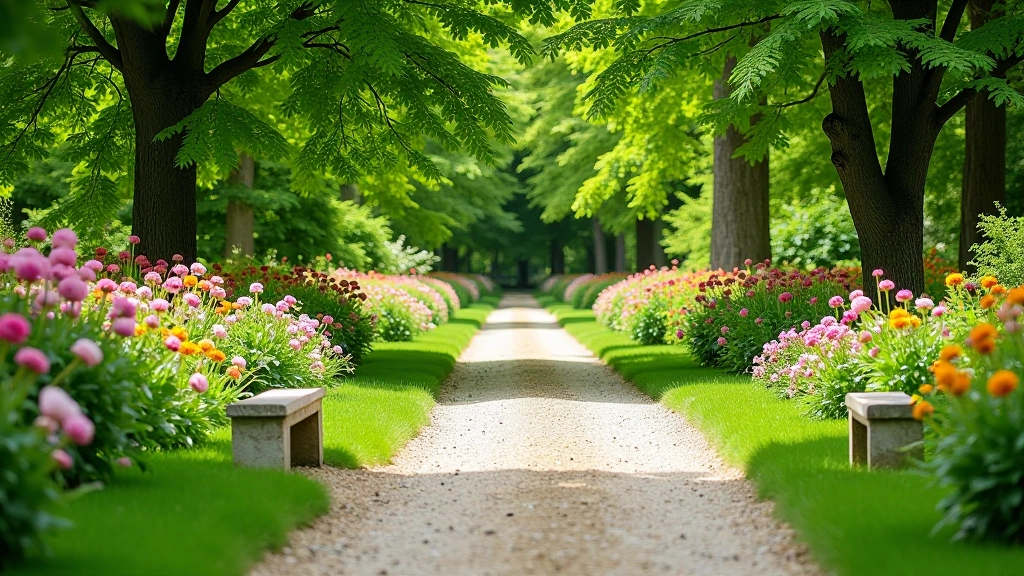
Three easy loops around the castle grounds, each with rest areas and beautiful views. Perfect for different energy levels and time availability.
Everything you need to know before heading out to explore nature safely and comfortably

Getting ready for time outdoors doesn't have to be complicated. Whether you're planning a leisurely walk through Průhonice Castle Gardens or a more adventurous day in nature, preparation is key. The right gear, knowledge, and mindset can transform your experience from stressful to genuinely enjoyable.
We've spent years helping people of all ages discover outdoor spaces safely and comfortably. Here's what we've learned works best.
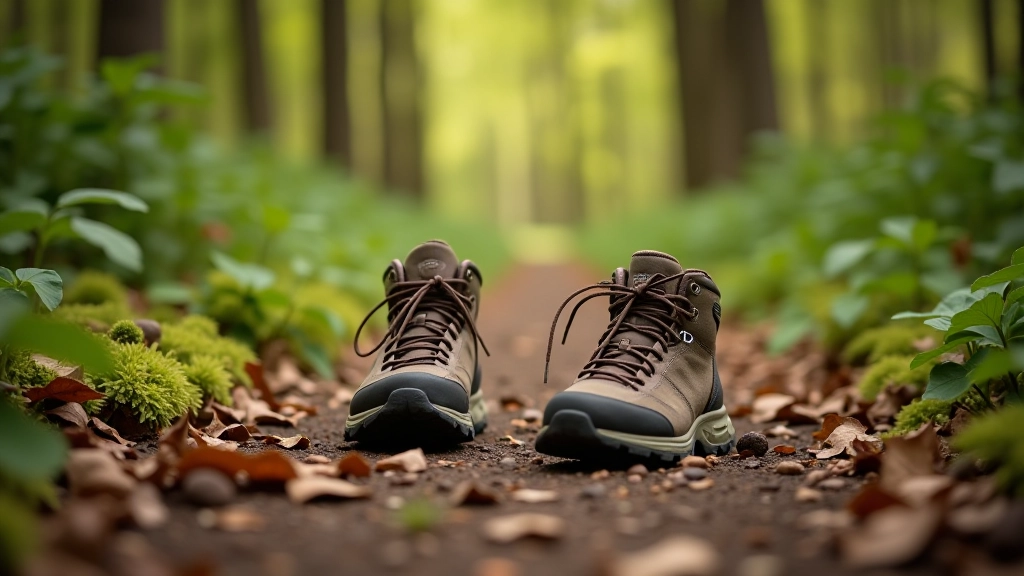
Your feet carry you everywhere. Good shoes make all the difference. You'll want something with proper support — not the casual sneakers from around the house. Look for shoes with cushioning in the heel and arch support. They don't need to be expensive, but they do need to fit well.
Bring two pairs if you can. One might get wet or uncomfortable, and having a backup means you're not stuck. Most importantly, break them in before your adventure. Wearing brand-new shoes on a long walk is how blisters happen. A few shorter walks beforehand will tell you if they're right for you.


Weather changes fast, especially in parks and gardens. You might start cool in the morning and find yourself warm by midday. That's why layering works so well. You can add or remove pieces as needed without carrying heavy extra clothes.
Start with a moisture-wicking base layer — something that pulls sweat away from your skin. Add a fleece or light sweater on top. Finish with a water-resistant jacket you can tie around your waist if you don't need it. Three pieces give you flexibility. Most people find this approach more comfortable than trying to guess the "right" outfit.
Don't forget a hat and gloves, even in spring. Your head loses heat quickly, and keeping your hands warm makes the whole experience more pleasant.
Staying hydrated matters more than most people realize. Bring at least 1-2 liters of water depending on how long you'll be out. A refillable water bottle works well — you can fill it at visitor centers or restaurants along your route.
Snacks give you energy and keep your mood up. Pack something substantial like nuts, fruit, or a sandwich. Hard candies or energy bars work too if you prefer something lightweight. Eating small amounts regularly beats getting hungry later. Many people underestimate how much energy a full day outdoors requires.
Pack snacks in a small daypack so your hands stay free. A 15-20 liter bag carries everything you need without feeling heavy.

Checking the route beforehand removes surprises. Look up the distance — is it 3 kilometers or 8? That changes how much time you need and what you should bring. Read recent reviews or comments from other visitors. They'll mention muddy sections, closed paths, or facilities like rest areas and restrooms.
Bring a printed map or download one to your phone. GPS is great until your battery dies. A physical map never needs charging. Many parks have free maps at entrances too. Knowing roughly where you're going means you won't get stressed if you take a wrong turn — you can correct it calmly.
Plan for slower pace than you might think. Enjoy the scenery.
Find out about current conditions from others who've been there.
Know where bathrooms, water, and rest spots are located.
Download a map or bring a printed one. Don't rely only on your phone.

Bring basic supplies. A small first aid kit handles minor cuts or blisters. Sunscreen matters even on cloudy days — sun reflects off water and grass. Insect repellent keeps bugs from ruining your experience. These items take minimal space but prevent problems.
Tell someone where you're going and roughly when you'll return. Not as a control thing — just practical. If something unexpected happens, someone knows where to look. It's a simple habit that works.
Wear visible clothing, especially on popular paths. Bright colors help you stay safe around cyclists and other visitors. Avoid walking alone if possible. Even on well-maintained routes, having company makes the experience more enjoyable and safer.
Preparation takes maybe 30 minutes. Good shoes, layered clothing, water, snacks, a route plan, and basic safety items. That's it. You don't need expensive gear or complicated plans. What matters is that you're comfortable, safe, and ready to enjoy what nature offers.
Start with a short walk. See how you feel. What worked? What didn't? Each trip teaches you something. Over time, you'll develop your own system that works perfectly for you. The outdoors is meant to be enjoyed — preparation just makes sure you actually enjoy it instead of struggling.
This article provides general guidance for outdoor recreation. Individual circumstances vary — age, fitness level, health conditions, and weather all matter. Consider your personal abilities and current conditions. If you have health concerns, check with your doctor before starting new outdoor activities. Always prioritize your safety and comfort over completing any route or schedule.