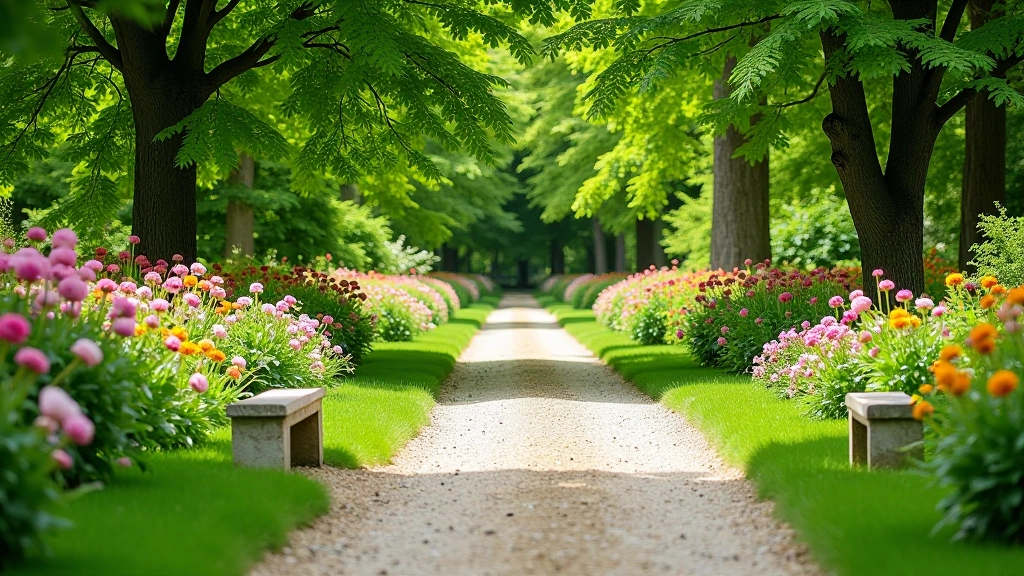

Why Routine Matters in the Garden
Starting a garden routine doesn't mean you need to spend hours outdoors every day. It's about finding a rhythm that works for you — something you can actually stick with. Whether you've got a small balcony or a sprawling backyard, the principle's the same: consistency beats intensity every single time.
A good routine brings structure to your days, gives you something to look forward to, and keeps your plants healthy without becoming a chore. You'll notice changes within weeks — stronger stems, better blooms, and honestly, a clearer mind from being outside regularly.

Start with a Simple Assessment
Before you create your routine, spend a week just observing your garden. Walk around it at different times of day. Notice where the sun hits, where it's shaded, which areas stay damp after rain. This isn't overthinking — it's gathering real information.
You'll also get a sense of what needs immediate attention. Maybe there's a section with wilting plants. Perhaps weeds are taking over a bed. Spending this observation week helps you build a routine that actually addresses your garden's needs instead of creating busywork.
Most gardeners find they need about 20-30 minutes per visit to cover the basics. That's watering, deadheading, and a quick check for pests or disease. Nothing overwhelming — just enough to keep things moving forward.

Set Up Your Tools and Workspace
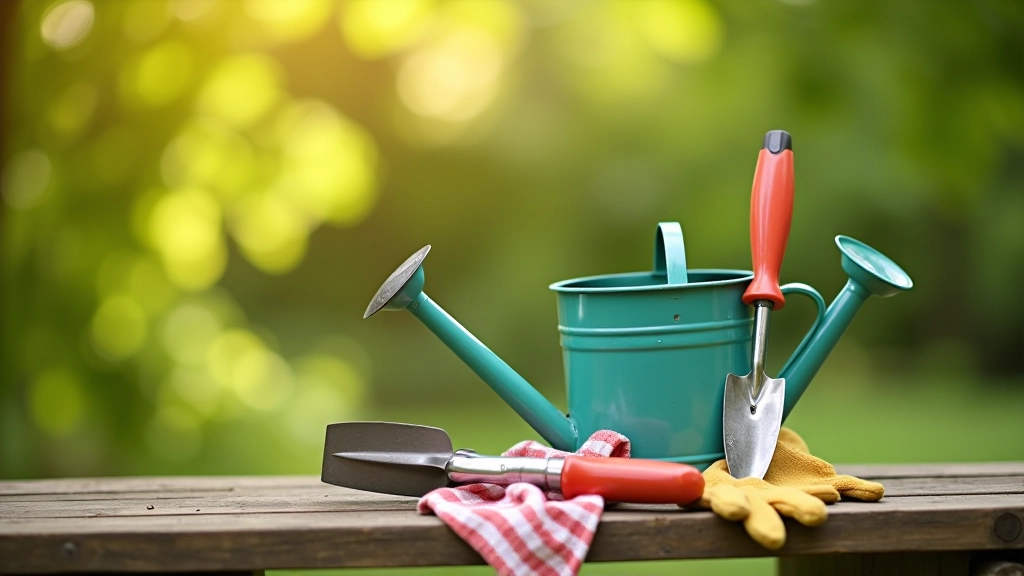
You don't need an expensive shed or fancy equipment. What you do need is a place to keep your essential tools together. A small bench, a corner by the door, or even a basket works perfectly. When everything's in one spot, you're more likely to actually go outside.
The basics are simple: a watering can or hose, hand trowel, pruners, and a pair of gloves. Add a kneeling pad if you're spending time on your knees — your joints will thank you. That's honestly all most gardeners use regularly. Don't buy tools "just in case" — get what you need, use them consistently, then add more if the situation calls for it.
Keep a small notebook nearby too. Jot down when you planted things, what seemed to work, what didn't. After a season or two, you'll have a goldmine of information specific to your garden and your climate.
Informational Note
This article provides general gardening guidance based on common practices in Central European gardens. Local conditions, plant types, and seasonal patterns vary significantly. Always consult with local gardening experts or your regional horticultural extension office for advice specific to your area and plant species. Individual results depend on your specific garden conditions, climate zone, and plant selections.
Create a Weekly Schedule That Sticks
Pick two or three days a week for your garden time. Tuesday and Saturday work well for many people — they break the week up and don't compete with weekend plans. The key is choosing days you can actually keep. If you pick Monday but you're always busy Monday mornings, you'll skip it and feel guilty. Be realistic about your life.
On your main gardening days, spend 30-45 minutes. Water thoroughly, check for problems, remove dead flowers or leaves. On lighter days, maybe just 10-15 minutes to deadhead or tidy up. The rhythm of consistent, manageable visits beats the occasional marathon session where you exhaust yourself and then do nothing for two weeks.
Sample Weekly Routine
- Tuesday morning (40 min): Full watering, deadheading, pest check
- Thursday evening (15 min): Quick water check, remove dead flowers
- Saturday morning (30 min): Weeding, light pruning, observation walk

Adapt Your Routine Through the Seasons
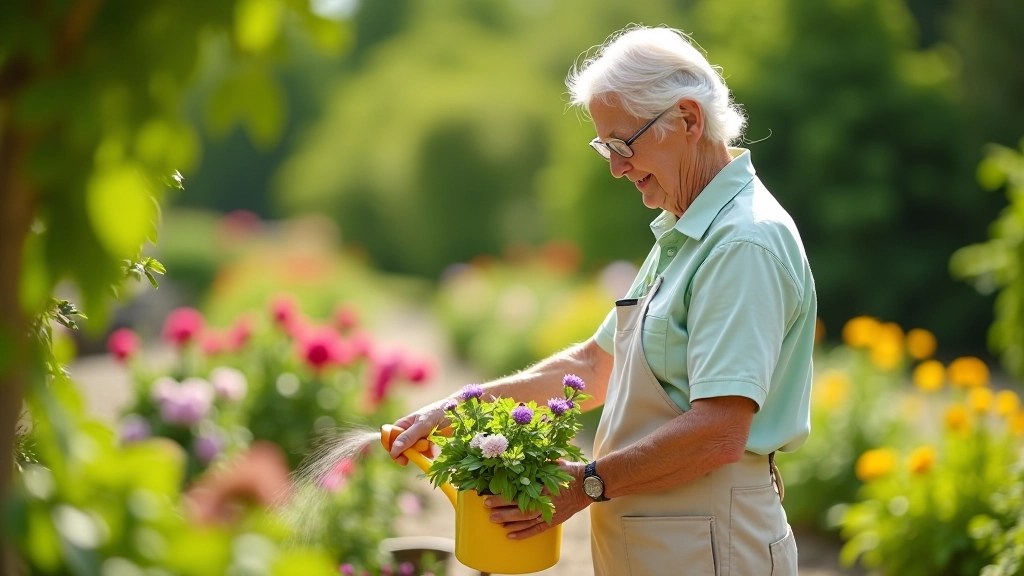
Spring demands more from you — planting, heavy watering, checking for new growth. Summer's consistent but hot, so early morning or evening visits work best. Fall means collecting seeds, cutting back, and preparing for dormancy. Winter? Even perennials need less attention, but evergreens and winter bloomers still need occasional care.
Your routine should shift with the seasons naturally. Don't feel like you're failing if spring takes more time than December. That's normal. The rhythm adapts, but the habit stays consistent. You're still showing up for your garden, just in different ways depending on what the season demands.
After about three months of consistent routine, you'll notice it becomes automatic. You won't have to think "Is it Thursday?" — you'll just find yourself heading outside because it's part of your day. That's when you know the routine's actually working.
The Real Benefit: Consistency Over Perfection
Your garden routine won't be perfect, and that's completely fine. Some weeks you'll miss a day. Some plants won't survive. Pests will appear. That's gardening — it's real and unpredictable. What matters is that you show up most of the time with attention and care.
A sustainable routine is one you can maintain for years, not one you abandon after two months because it's too demanding. Start small, build gradually, and adjust based on what you learn about your specific garden. You'll develop a relationship with your space that goes far deeper than any single perfect day could offer. That connection — that's what makes gardening genuinely rewarding.
Ready to Explore More?
Discover beautiful walking routes and seasonal highlights at nearby garden spaces
Browse More Articles